
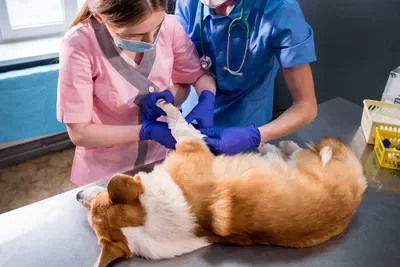
Find free or low-cost vet care in the UK
Finding affordable veterinary care for your pet can sometimes feel overwhelming. Our directory simplifies the process, providing a comprehensive list of animal shelters, clinics and organizations that offer free or low-cost veterinary services.
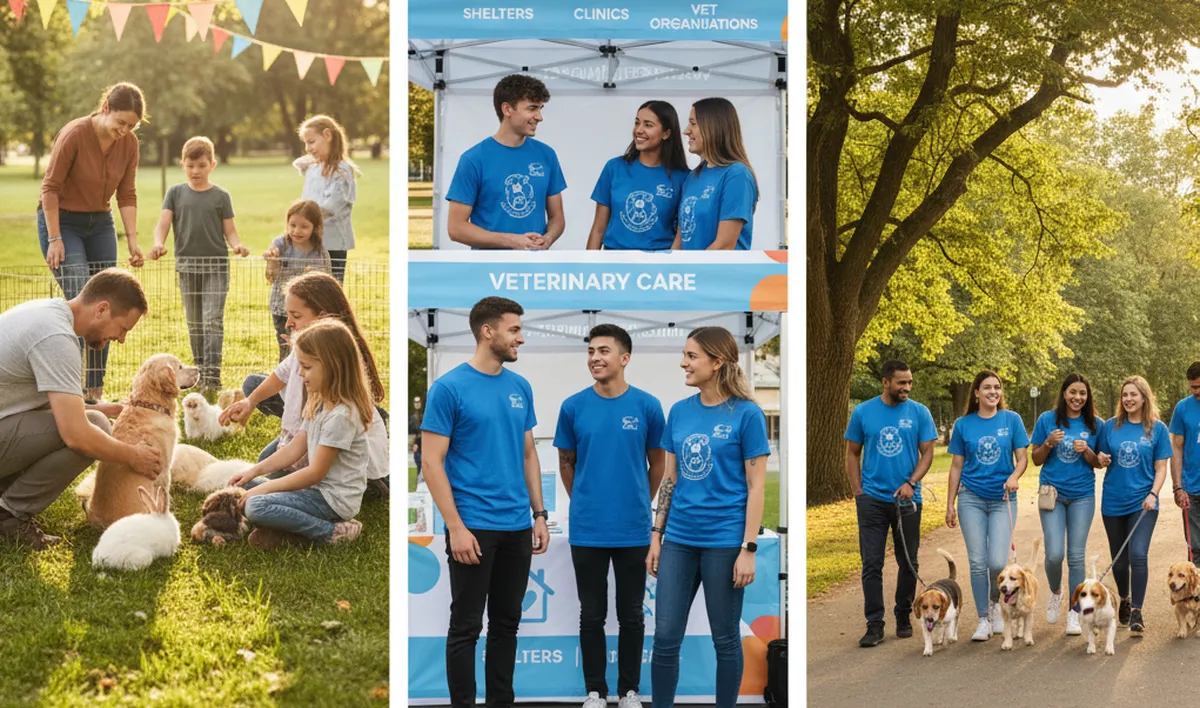
Where can i get free or low cost vet care?
Getting free vet care in the UK can be challenging, as it's not widely available, but it's not impossible. Here's a breakdown of how you can potentially access free or significantly reduced-cost veterinary care.
Free vet in Salford
Free vet in Coventry
Free vet in Northampton
Free vet in Peterborough
Free vet in Plymouth
Free vet in Bristol
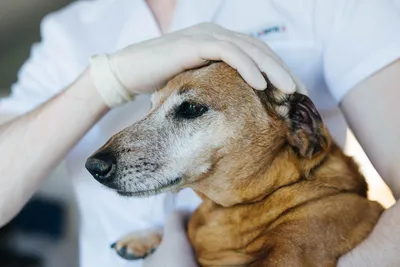
Free vet in Leeds
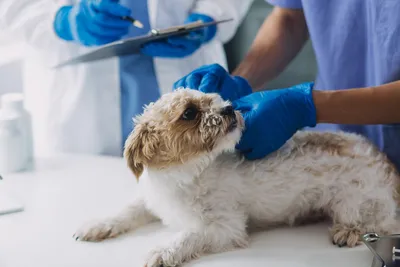
Free vet in Birmingham
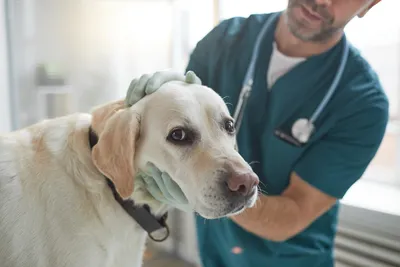
Free vet in Nottingham
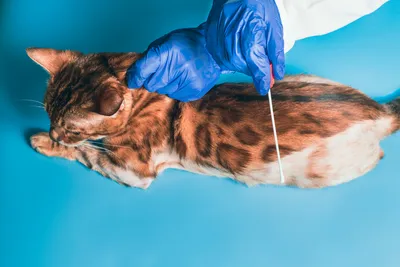
Free vet in Newcastle
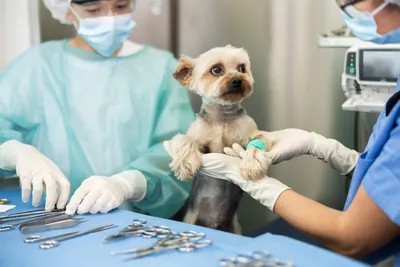
Free vet in Portsmouth
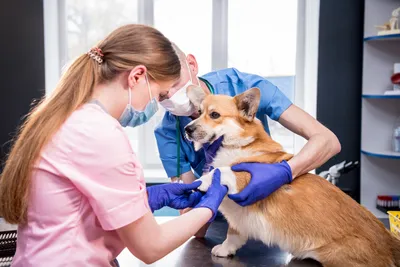
Free vet in Sheffield
Here's a breakdown of how you can potentially access free or significantly reduced-cost veterinary care:
1. Charities and Organizations:
PDSA (People's Dispensary for Sick Animals):
- How: This is probably the most well-known charity providing free or low-cost care.
- Eligibility: Based on postcode and whether you receive certain means-tested benefits (e.g., Housing Benefit, Income Support, Universal Credit). You'll need to live within their catchment area. They require proof of address and benefit status.
- Services: Covers a range of treatments, consultations, and procedures. They also offer preventative treatments such as vaccinations.
- Website: https://www.pdsa.org.uk/
- Key Point: Check if you live within a PDSA catchment area and meet their benefit criteria.
Whether you're thinking about adoption, donating, or simply learning more, the first step starts here.
Find an animal shelter in England and help change an animal’s life today.
Blue Cross:
- How: Offers veterinary care at a reduced cost to eligible pet owners.
- Eligibility: Usually based on receiving specific benefits and being on a low income. Each branch may have its specific criteria.
- Services: Includes consultations, treatments, and sometimes even surgery.
- Website: https://www.bluecross.org.uk/
- Key Point: Look for the closest Blue Cross Animal Hospital to your location, and check their individual eligibility requirements.
RSPCA (Royal Society for the Prevention of Cruelty to Animals):
- How: Primarily focused on animal welfare, not direct veterinary care.
- Eligibility: Usually for animals in cases of neglect, abuse, or abandonment. They might offer support to those in extreme financial hardship.
- Services: Often provide emergency care or guidance and may work with local vets for financial support.
- Website: https://www.rspca.org.uk/
- Key Point: They are most helpful in situations where animal welfare is at risk, and they can sometimes help with financial assistance.
Cats Protection and Other Breed-Specific Rescues:
- How: These charities can sometimes provide financial assistance with neutering or other veterinary services for cats and some other pets.
- Eligibility: It varies from branch to branch and organization to organization.
- Services: Focus on promoting responsible pet ownership.
- Website: https://www.cats.org.uk/ and other rescue sites.
- Key Point: Look for local branches or rescues in your area that may have schemes to help you.
StreetVet:
- How: Provides free veterinary care to pets belonging to people experiencing homelessness.
- Eligibility: Only for people who are homeless.
- Services: Outreach programs offering vaccinations, flea treatment, and other essential veterinary services.
- Website: https://www.streetvet.org.uk/
- Key Point: Not generally an option unless the owner is homeless.
2. Veterinary Training Institutions:
University Veterinary Hospitals:
- How: Veterinary schools sometimes offer procedures at reduced cost for teaching purposes.
- Eligibility: Varies. Some may be looking for certain cases for learning purposes, while others offer a discount to the public.
- Services: Often offers specialist care.
- Key Point: Contact the veterinary teaching hospital in your area to see if they can help.
3. Other Options:
-
Payment Plans/Credit: Some private vets offer payment plans, which can help spread the cost of treatment, although it won't be free. Check with your local vets to see if they offer such services.
-
Insurance: While it won't provide free treatment in itself, pet insurance can help cover the costs of future unexpected vet bills. If you can afford the monthly premiums, it could help. It's not usually relevant to immediate situations, though.
-
Local Councils: Some councils may have very limited schemes or grants for pet care; it's worth contacting them to see if there's any local assistance.
-
Crowdfunding: In some cases, for unexpected, high vet bills, owners have successfully used crowdfunding platforms to help cover the costs.
Important Considerations:
-
Eligibility is Key: Most free or low-cost services are conditional on meeting specific eligibility criteria, usually based on your income and benefit status.
-
Catchment Areas: Many charities have specific locations they serve.
-
Waiting Times: Free services often have wait times, especially at busy times.
-
Emergency Care: These options may not cover emergencies, so it is important to have a plan for 24/7 emergency cover if your pet needs it.
-
Limited Resources: Charity services are often in high demand, so availability of services can be limited, and there may be restrictions on what they can do.
-
Be Honest and Transparent: When discussing your situation, it is helpful to be open and honest about your financial circumstances. This will help them identify if they have services that can help.
- Steps to Take:
-
Research Local Options: Check the websites and local phone directories for clinics and organizations near you.
-
Contact Directly: Call or email organizations to discuss your specific situation and your pet's needs.
-
Be Prepared: Have details of your benefits status, postcode, and pet's situation ready when you contact them.
-
Explore all options: Consider any options that may be available to you, including using payment plans with vets, and local government schemes.
-
Don't Delay: If your pet needs treatment, contact a vet or charity as soon as possible.
Getting free vet care in the UK can be complex, but by carefully researching all available options and being proactive, you have the best chance of finding the help that you need. Remember that some level of financial contribution is often required, but the charities do work hard to make veterinary care as accessible as possible.
Cat Friendly Clinics
Looking for a calm and stress-free environment for your cat’s healthcare? Our Cat Friendly Clinics in the UK section features accredited veterinary practices that specialise in feline care. These clinics are designed to reduce anxiety and provide gentle handling, making every visit more comfortable for your cat.
Cat Friendly Clinics in Burnham-on-Sea
Cat Friendly Clinics in Hartlepool
Cat Friendly Clinics in Sunderland

Cat Friendly Clinics in Carlisle
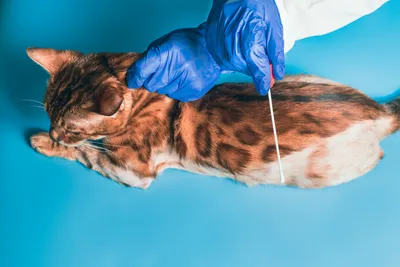
Cat Friendly Clinics in Kettering
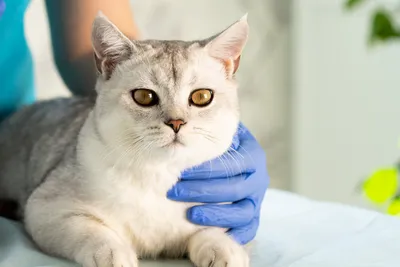
Cat Friendly Clinics in Luton
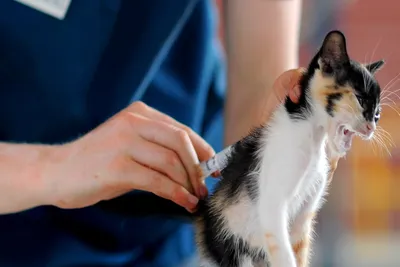
Cat Friendly Clinics in Swindon
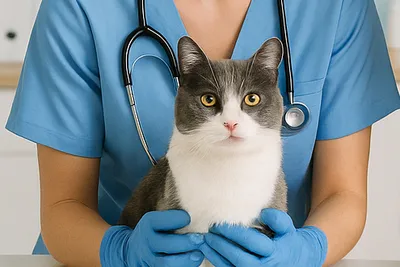
Cat Friendly Clinics in Norwich
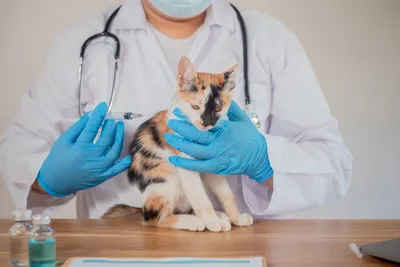
Cat Friendly Clinics in Bath
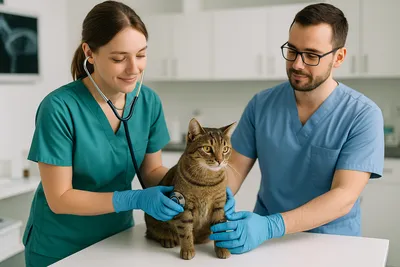
Cat Friendly Clinics in Brighton
Whether your feline friend needs a routine check-up, cat vaccination, dental care, or treatment for a specific condition, Cat Friendly Clinics offer a compassionate and professional approach tailored to cats’ unique needs. Browse our listings by location to find the best care for your cat near you.